Analyseur TOC — TOC-A2000 / A5000P

TOC-A2000 / TOC-A5000P

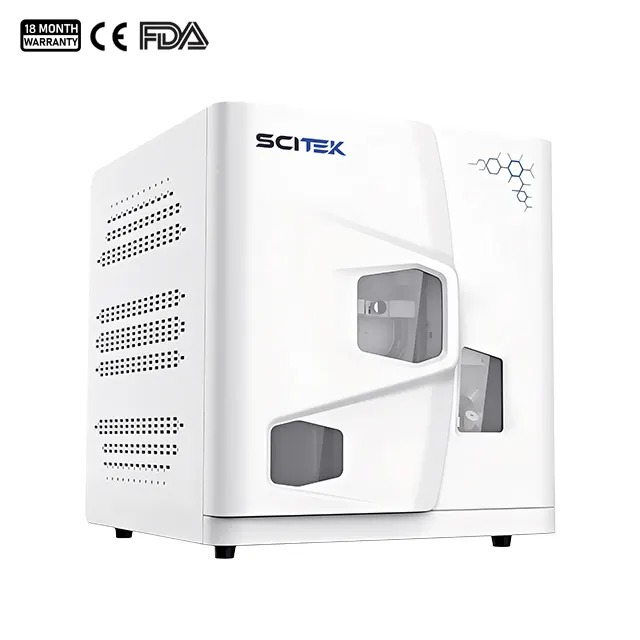
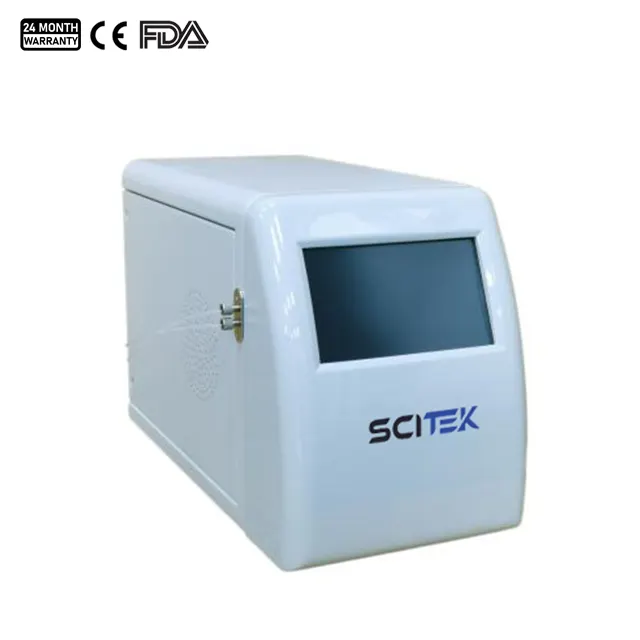
TOC analyzer — TOC-A2000 / A5000P

High-temperature catalytic combustion

Request a quote

Category: Laboratory equipment · TOC

Specifications by model

CharacteristicValue
Measuring methodHigh-temperature catalytic combustion
DetectorNDIR
Analysed parametersTC, TIC, TOC, NPOC
Control modePC software controlled
Required gasOxygen, purity ≥99.995%
Sample typeLiquid sample optional
Measuring range0-1000mg/L, can extend to 0-100,000mg/L (Manually dilution)
Detection limitTC: 50μg/L
Measuring timeTC: around 4min
Max. permissible errorTOC: ± 5%
Repeatability≤3%
Injection volumeTC: 100-500μL

Full description

Total organic carbon (TOC) analyzers — models TOC-A2000 and TOC-A5000P. Measure TC, TIC, TOC and NPOC by high-temperature catalytic combustion. Features: Auto sample dilution, auto acid-adding and auto gas purging (TOC-A5000P). 680℃ catalytic oxidation technology with platinum catalyst, especially for seawater test. NDIR detector, high sensitivity and stability. Multi-functional PC software. Precise gas flow control technology improves accuracy. PID temperature controlling technology, ensure higher accuracy. Unique three-stage dehydration technology improves drying efficiency. Personalized standard curve management provides great convenience for users. Consumables management reminds users to replace consumables in time. Modular design, simplifying device operation and maintenance. Wastewater treatment plants test incoming and outgoing water Water purification plant monitoring of river water and treated water Monitoring of treated tap water, river water and rainwater Continuous monitoring of plant water, e.g. recycled water, cooling water, boiler water, etc. How does a toc analyzer work A TOC (Total Organic Carbon) analyzer works by measuring the total amount of organic carbon in a sample. The process involves three main steps: Sample Preparation: The sample is usually acidified to remove inorganic carbon (such as carbonates) by converting it into carbon dio×ide (CO2), leaving only the organic carbon. Oxidation: The remaining organic compounds in the sample are oxidized, often by high-temperature combustion or chemical oxidation, to convert them into CO2. Detection: The CO2 produced during oxidation is measured using either infrared detection or a conductivity meter. The amount of CO2 is directly proportional to the organic carbon content in the sample. This method provides an accurate measure of total organic carbon, important for monitoring water quality, environmental testing, and industrial processes. Online technical advice and guidance

In the same family