Laveurs ELISA

ELMW-310 · ELMW-320 · ELMW-330

ELISA microplate washers

2 models

Request a quote

Category: Biomedical equipment · Immunoassay & molecular biology

Specifications by model

ModelChannelsVolume
ELMW-310 / ELMW-3208 pins and 12 pins≤1μL/well
ELMW-330—≤1uL/well

Full description

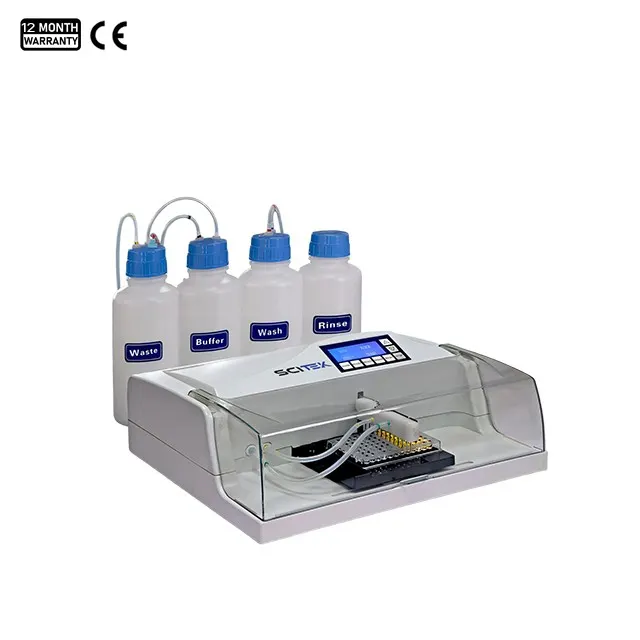
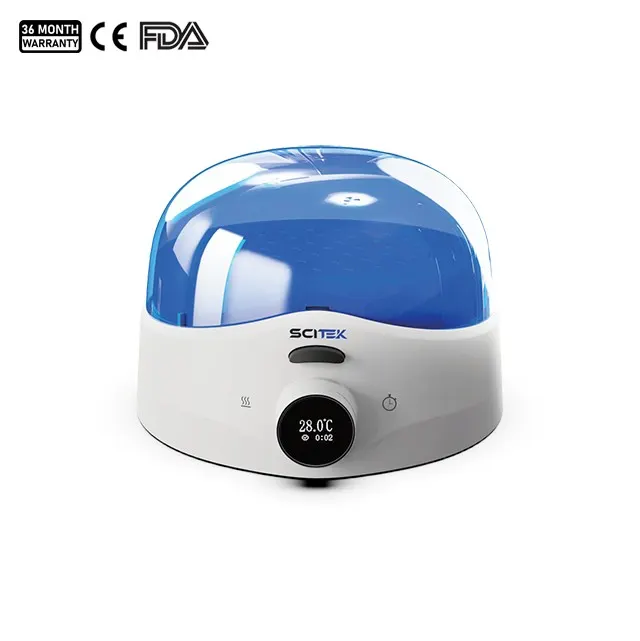
ELISA microplate washers providing automatic washing of wells between incubation steps. Adjustable volume and number of cycles. Features: Large LCD with menu design for easy use Whole plate cleaning or single strip cleaning Waste liquid overflow alarm function One-point, two-point and whole bottom washing Flat bottom, V-bottom or U-bottom strip cleaning Large memory for storing up to 48 user-programmed cleaning programs Old version (new version pictured below with logo next to the display) Easily set up plate wash programs and adjust wash parameters to make the experimental process more automated and precise. The elisa plate washer is made of high-strength material, corrosion-resistant and with high cleaning efficiency. The control panel of elisa plate washer has a clear display and the interface design is simple and easy to operate. Users can quickly adjust the parameters, such as the number of plate washes, the amount of rinse liquid, etc., to meet the requirements of ELISA experiments on the cleaning accuracy. Power cords and other connecting accessories How does an elisa plate washer work Dispensing Wash Buffer: The elisa plate washer dispenses wash buffer into each well of the ELISA plate. Wash: The elisa plate washer aspirates the wash buffer and any unbound material or contaminants from the wells. Empty: After suctioning, the washer removes the used wash buffer and any residue from the wells. Repeat: The wash process is usually repeated several times to ensure thorough washing and removal of unbound material. Drying (optional): Some washers may include a drying step to ensure no residual wash buffer. What is the use of ELISA microplate washer An ELISA microplate washer removes unbound substances from wells to ensure accurate, consistent assay results. ELISA washing is necessary to remove unbound substances, reduce background noise, and ensure accurate, reliable results. Inadequate washing can lead to high background, while excessive washing may reduce sensitivity by washing away antibodies or antigens from the well.

In the same family