
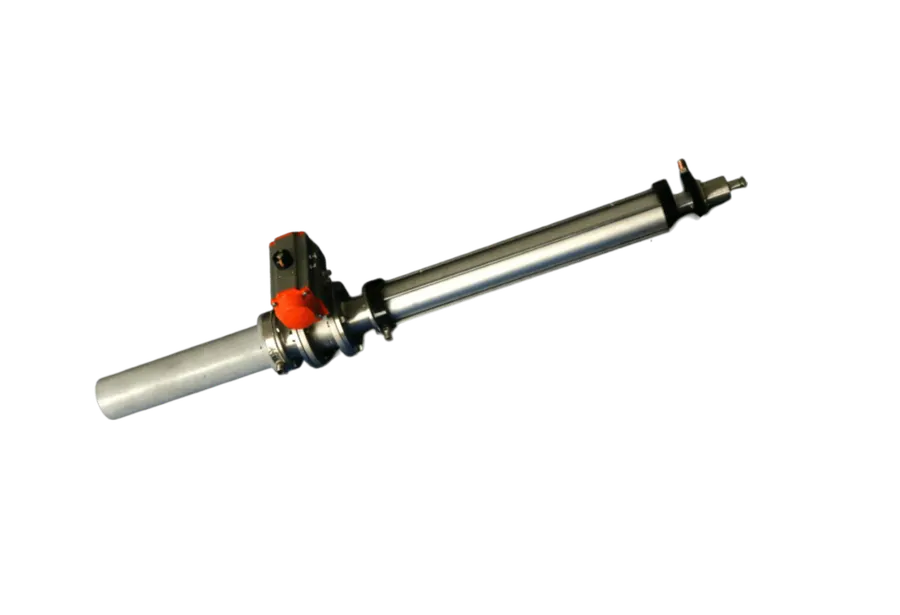
TEMPSENS · BF Series
BF Series
Temperature range: -50°C-1000°C, 600°C~1800°C
Price on request
Details
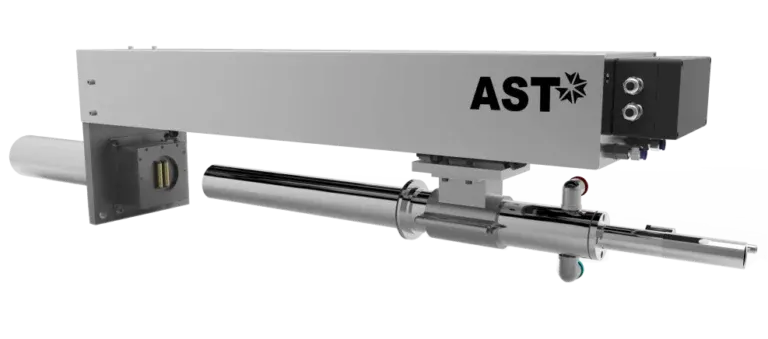
TEMPSENS · G Series
Temperature range: 700 to 1800°C/1000°C to 2500°C
Category: Industrial sensors · Furnace monitoring cameras
| Characteristic | Value |
|---|---|
| Pressure | 7 ~ 10 Kg/cm2 |
| Volumetric flow rate | 50 m3/h |
| Temperature | <35°C |
| Quality | Dust, oil & moisture free clean air |
| Environment | Up to 2000°C |
| Cooling system | Vortex air & water cooling |
| Transmission device | Pneumatic air cylinder |
| Power | AC 220V/110 V |
| Connection | 2 ~ 5 Kg/cm2 |
| Volumetric flow rate | 0.2-1 m3/h |
| Quality | Demineralised water |
| Image sensor | 1/2.7" 5 Megapixel Progressive scan CMOS (6.858cm) |
| Minimum illumination | 0.005 Lux@F1.7 |
| Effective pixels | 2592(H) x 1944 (V) |
| Shutter speed | Auto/Manual, 1/3 s-1/100000 s |
| White balance | Auto/Natural/Steet Lamp / Outdoor / Manual |
| Lens | C/CS |
| Power source | DC 12V (±25%), AC 24V (±25%), PoE (802.3af), ePoE |
| Operating temperature | -30°C to +60°C (-22°F to +140°F)/ Less than 95 % RH |
| Lens length | 1080 mm |
| Focal distance | Fixed 3.5 mm or adjustable from 3.6-18mm |
| Angle of view | Straight view 0°, Elbow view 60° |
| Field of view | Horizontal 65°, Vertical 56°, Diagonal 85° |
| Focus and iris | Manual |
| Mount | CS |
| Temperature range | 700 to 1800°C/1000°C to 2500°C |
| Optical resolution | 640 X 480 Pixels |
| Frame rate | 25 Hz |
| Detector | High dynamic CMOS |
| Spectral range | 0.85 to 1.1 mm |
| Thermal sensitivity | < 1 K ( 7 0 0 ° C [ < 1 2 9 2 ° F ] ,<2k (1000°C) |
| Video format | MPEG-4, AV |
| Image format | BMP/JPG |
| Analogue output | 4 channel analog current output (4....20mA) |
| Digital input / output | 4 active-high, buffered input / 4 open source, Mosfet outputs |
| Interface | Ethernet/ USB |
| Protocol | GigE for Ethernet, proprietary for USB |
| Tolerance | ±0.3% of measure value ±1°C |
TEMPSENS · BF Series
Temperature range: -50°C-1000°C, 600°C~1800°C
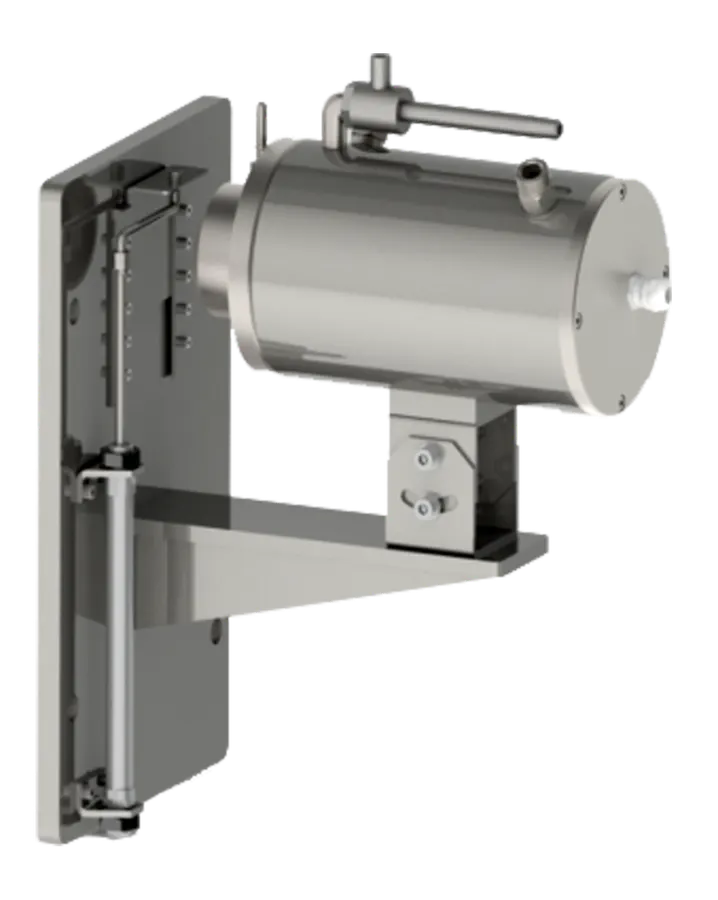
TEMPSENS · FMC Series
Fixed Mount Furnace Monitoring Camera System
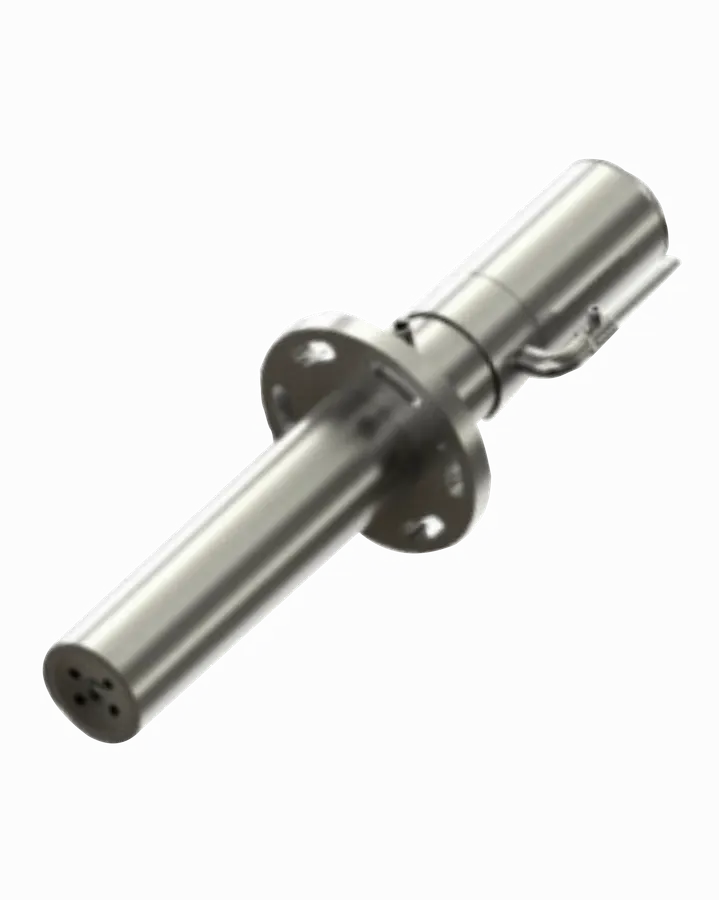
TEMPSENS · HC Series
Furnace Monitoring Visual Camera System With Halogen Light
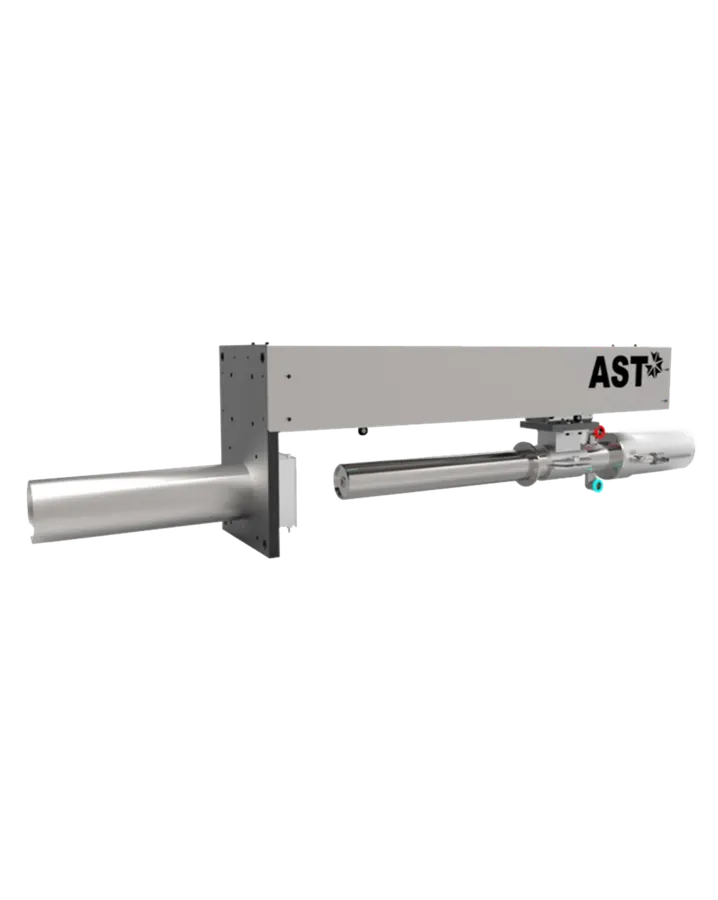
TEMPSENS · TE Series
Furnace Monitoring Visible Thermal Imaging Camera System